
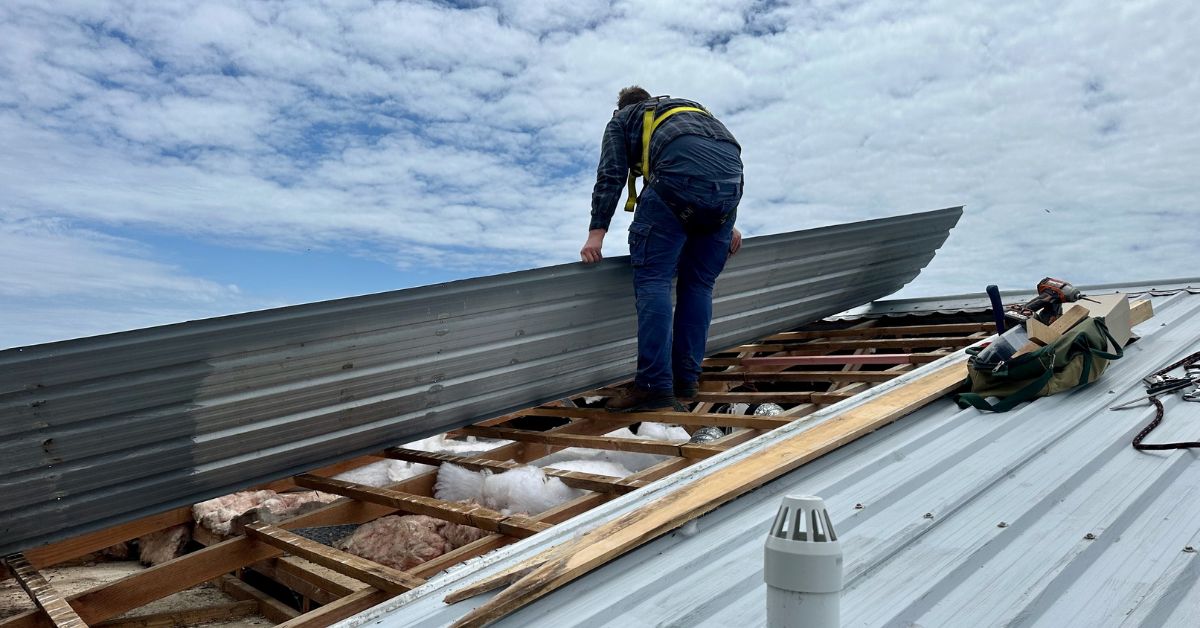
Knowing when your roof needs replacing is essential for protecting your home and avoiding costly structural damage. Roofing materials wear down over time, and understanding how often a roof should be replaced depends on a range of factors including the material, climate, and maintenance practices. Whether you’re planning ahead or seeing warning signs, this guide covers what every homeowner should know about roof lifespan and replacement.
Average Lifespan by Material
Different roofing materials have vastly different life expectancies. Here’s a general guide to how long each type typically lasts:
- Metal Roofing: Known for its durability, metal roofs can last between 40 to 70 years when properly installed and maintained.
- Tile Roofing: Clay or concrete tiles are exceptionally long-lasting, often reaching 50 to 100 years. However, underlayment may need replacing sooner.
- Flat Roofs: Materials like TPO, EPDM, or modified bitumen typically last 10 to 30 years, depending on the quality of installation and maintenance.
Understanding the general lifespan of your current roofing material is the first step in determining when replacement may be necessary.
Signs You Need a Roof Replacement
Even the best roof won’t last forever. Some common signs that it may be time for a roof replacement include:
- Visible Damage: Cracked, curled, missing or rusted roofing materials are clear indicators.
- Persistent Leaks: Water stains on ceilings or walls can suggest compromised underlayment or flashing.
- Moss and Algae Growth: Excessive build-up can retain moisture and damage roofing materials over time.
- Sagging Rooflines: Structural issues or long-term water damage can cause roof sagging—an urgent reason to replace.
- Age: If your roof is approaching or has passed its expected lifespan, it’s wise to start planning for replacement.
Ignoring these warning signs can lead to more extensive and expensive repairs in the future.
Factors That Affect Roof Lifespan
How often a roof should be replaced also depends on several external and internal factors, including:
- Climate: Homes in Brisbane and across Queensland experience high UV exposure, humidity, and occasional severe storms—all of which can shorten roof lifespan.
- Roof Slope and Drainage: Flat or low-pitch roofs are more prone to water pooling, which can lead to quicker deterioration.
- Installation Quality: A professionally installed roof will always outperform a poorly fitted one. Workmanship directly impacts longevity.
- Roof Maintenance: Regular inspections, cleaning, and prompt repairs can significantly extend the life of any roof.
Routine maintenance is a key component of maximising the lifespan of your roof and preventing premature failure.
When to Consider Repairs vs. Replacement
Not every roofing issue means a full replacement is needed. In many cases, targeted repairs may be sufficient—especially when the damage is localised.
- Opt for Repairs When: The damage is minor, such as a few missing shingles or a small leak, and the roof is still within its expected lifespan.
- Choose Replacement When: The roof has widespread damage, repeated leaks, structural issues, or is nearing the end of its usable life.
A professional roof inspection can help you determine whether repairs will suffice or if a full replacement is the smarter long-term solution.
Maximise Your Roof’s Lifespan with Manchester Roofing
Understanding how often a roof should be replaced comes down to knowing your roofing material, recognising the signs of wear, and considering environmental factors. Whether you’re due for a replacement or just want peace of mind, Manchester Roofing offers expert assessments and high-quality roof replacements designed to withstand Brisbane’s unique climate conditions. Our experienced team can guide you through every step—ensuring your home remains secure and protected for decades to come.