
Roofing Tips & Industry Insight
Commercial Roof Replacement Planning: How to Minimise Business Disruption
Published 30 April 2026
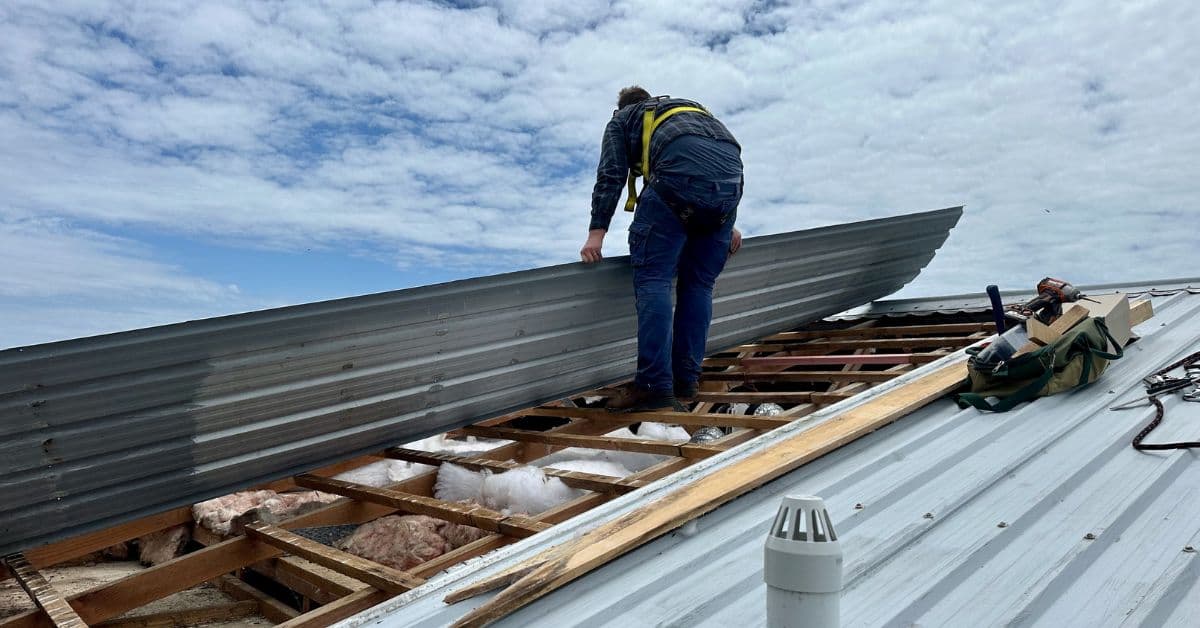
A leaking commercial roof creates pressure that builds quickly. Delaying repairs increases the risk of water damage, safety concerns, and disruption to daily operations. Rushing into a replacement without a clear plan can create its own problems, including extended downtime and unnecessary costs. Careful planning provides a balanced approach that protects both the building and the business.
Commercial roofs have a limited lifespan, and signs of wear often appear gradually. Issues such as recurring leaks, corrosion, and rising energy costs can indicate that the system is reaching the end of its life. Recognising these signs early allows replacement to be planned at a convenient time rather than being forced by sudden failure.
Recognising Early Signs and Planning Ahead
Identifying problems early is one of the most effective ways to reduce disruption. Small issues that are ignored can develop into larger faults that require urgent attention. When replacement is planned in advance, it can be scheduled around business needs rather than dictated by emergencies.
A thorough inspection provides a clear understanding of the roof’s condition. Checking structural elements, drainage systems, and insulation helps identify any hidden concerns that may affect the project. Addressing these factors before work begins reduces the risk of delays once construction is underway.
Planning also includes confirming materials, approvals, and timing. Ensuring all elements are ready before starting helps maintain a steady workflow. Factoring in seasonal conditions supports a more reliable schedule, particularly in regions where weather can interrupt progress.
Aligning the Project with Business Operations
The success of a roof replacement often depends on how well it fits around daily operations. Scheduling work during quieter periods helps minimise disruption to staff and customers. For some businesses, early mornings or planned closures may provide the best opportunity to complete more intensive stages of the project.
Dividing the work into sections can further reduce impact. Completing one area at a time allows other parts of the building to remain functional. This approach supports continuity and reduces the need for full shutdowns.
Clear communication is essential throughout the process. Providing regular updates ensures that everyone understands what is happening and when. Knowing which areas will be affected allows adjustments to be made in advance, reducing inconvenience and maintaining productivity.
Managing access and site organisation also plays a key role. Defining entry points, delivery areas, and work zones helps maintain safety and efficiency. Keeping these areas organised prevents confusion and allows the business to continue operating with minimal interruption.
Choosing the Right Contractor and Materials
Selecting the right contractor is central to a successful project. Experience, qualifications, and a strong track record provide confidence that the work will be carried out to a high standard. A contractor who understands how to work within active environments can help maintain normal operations throughout the project.
A detailed proposal supports better decision making. Understanding what is included in the scope of work, from materials to installation methods, ensures there are no unexpected changes. Clear pricing and timelines allow the project to be managed more effectively.
Material selection also affects long term performance. Choosing a system suited to the building and local conditions helps reduce maintenance and extend the life of the roof. Considering durability and efficiency at this stage supports long term value.
Managing the Process and Protecting Long Term Value
During construction, maintaining a safe and organised site is essential. Protecting the building and its occupants reduces risk and supports a smoother process. Regular updates keep the project on track and allow any changes to be addressed quickly.
Allowing for unexpected issues provides flexibility. Hidden damage may become visible once work begins, and having a plan to address these situations helps avoid delays. Including a buffer in both time and budget makes it easier to manage these adjustments.
After completion, ongoing care helps protect the investment. Regular inspections and maintenance prevent minor issues from developing into larger problems. Keeping the roof in good condition supports its performance and extends its lifespan.
A structured approach to commercial roof replacement planning allows businesses to manage a complex project with confidence. By preparing early, coordinating effectively, and maintaining the roof over time, it is possible to minimise disruption while protecting the long term value of the property.